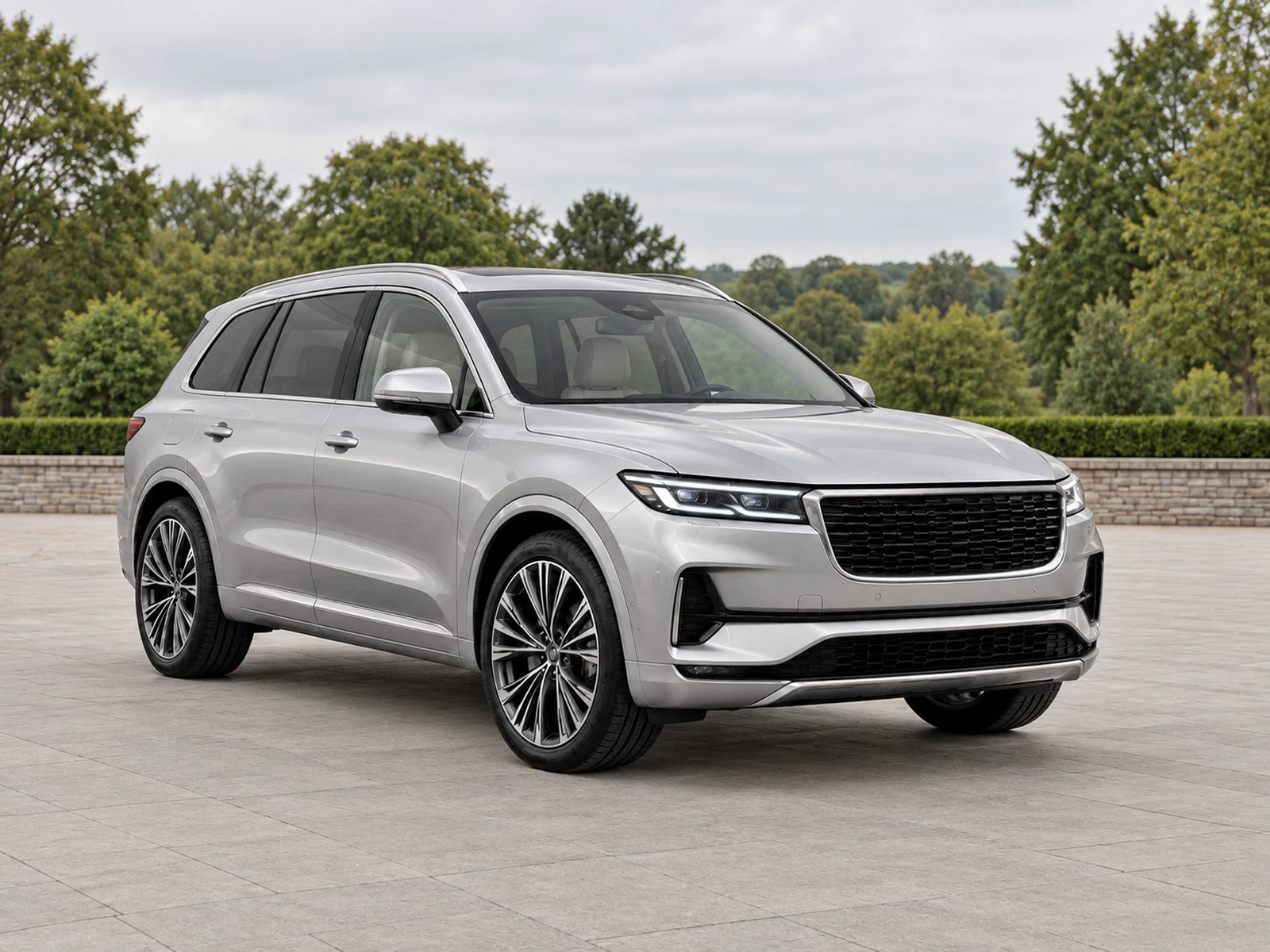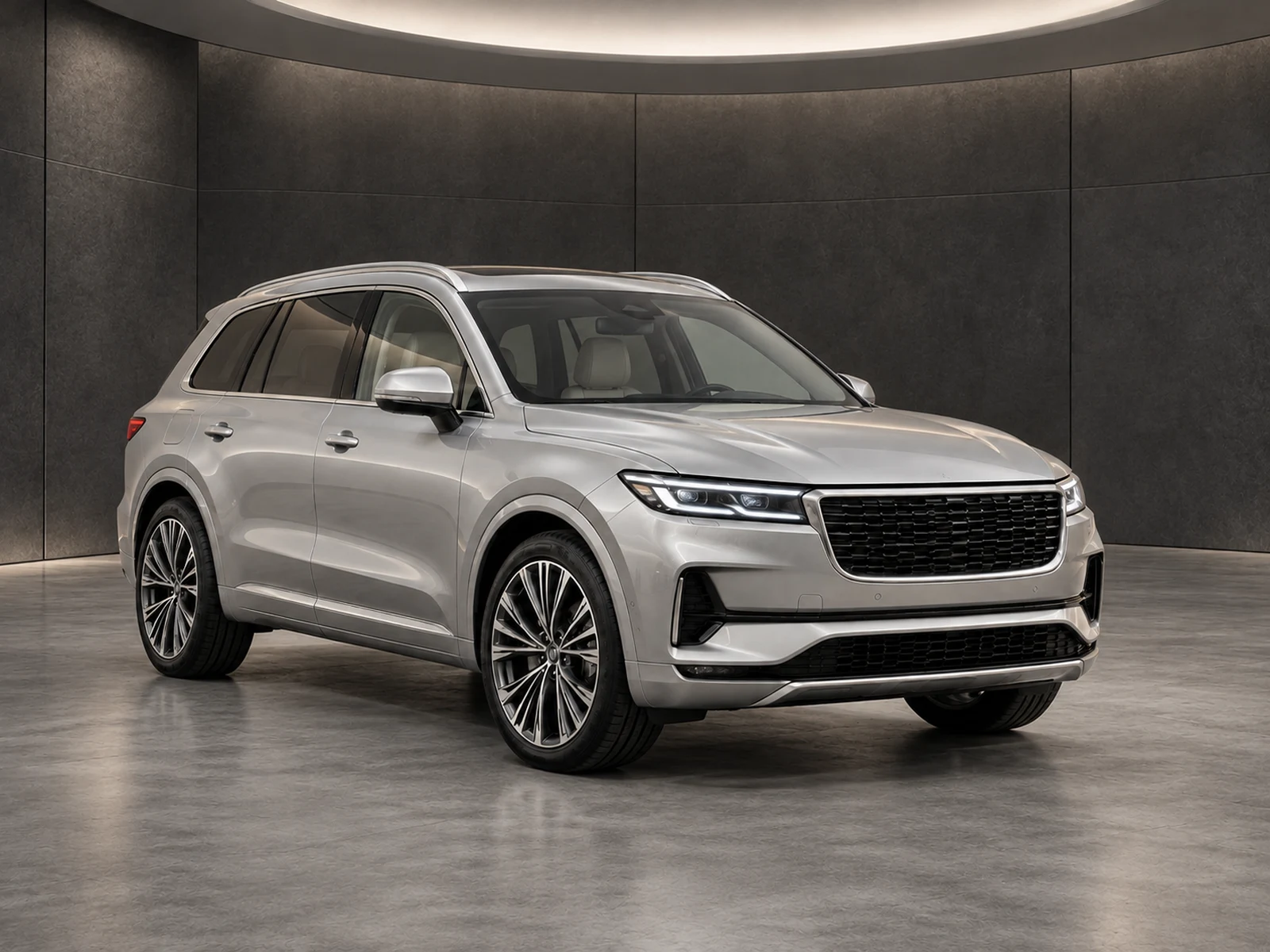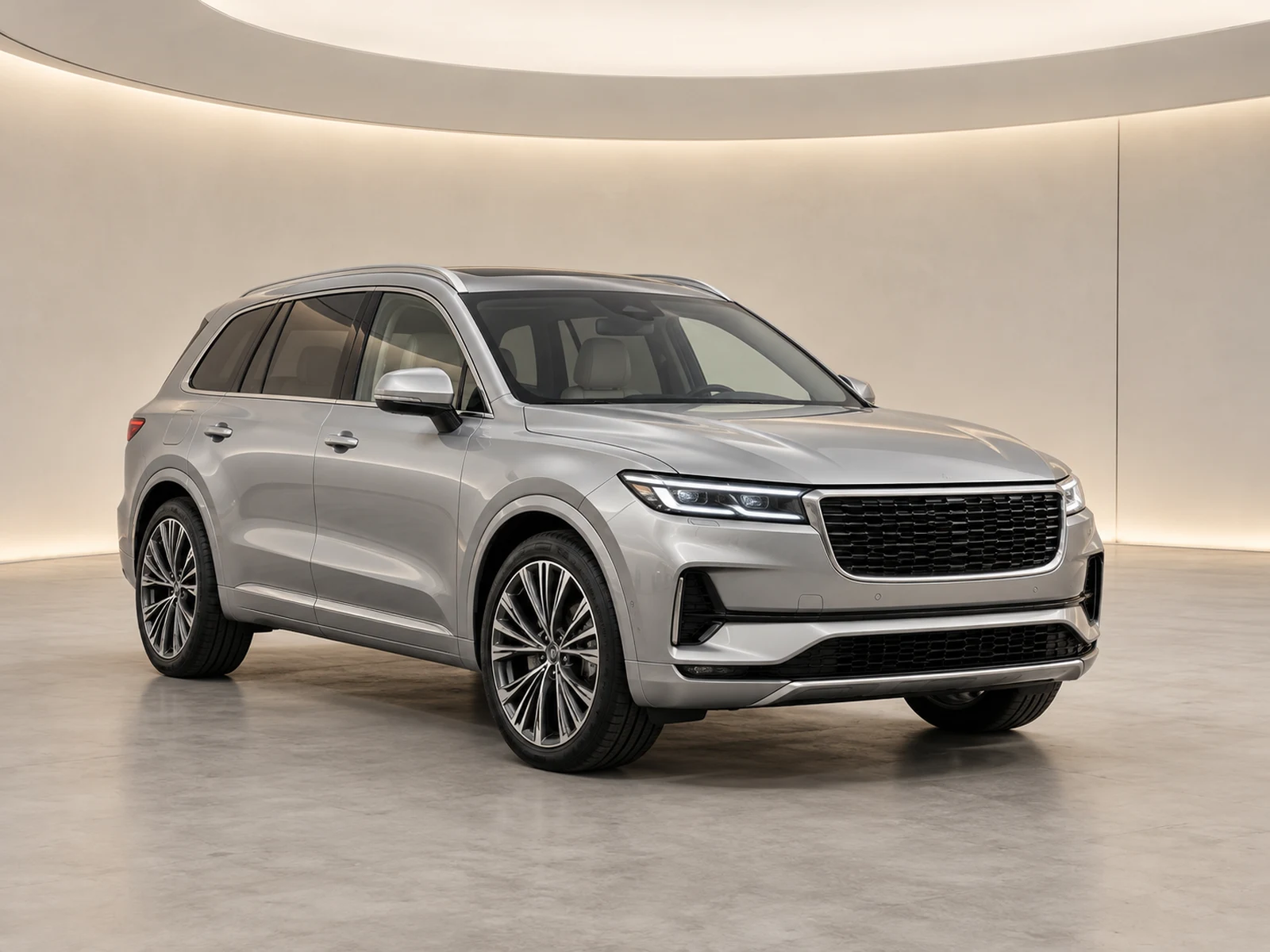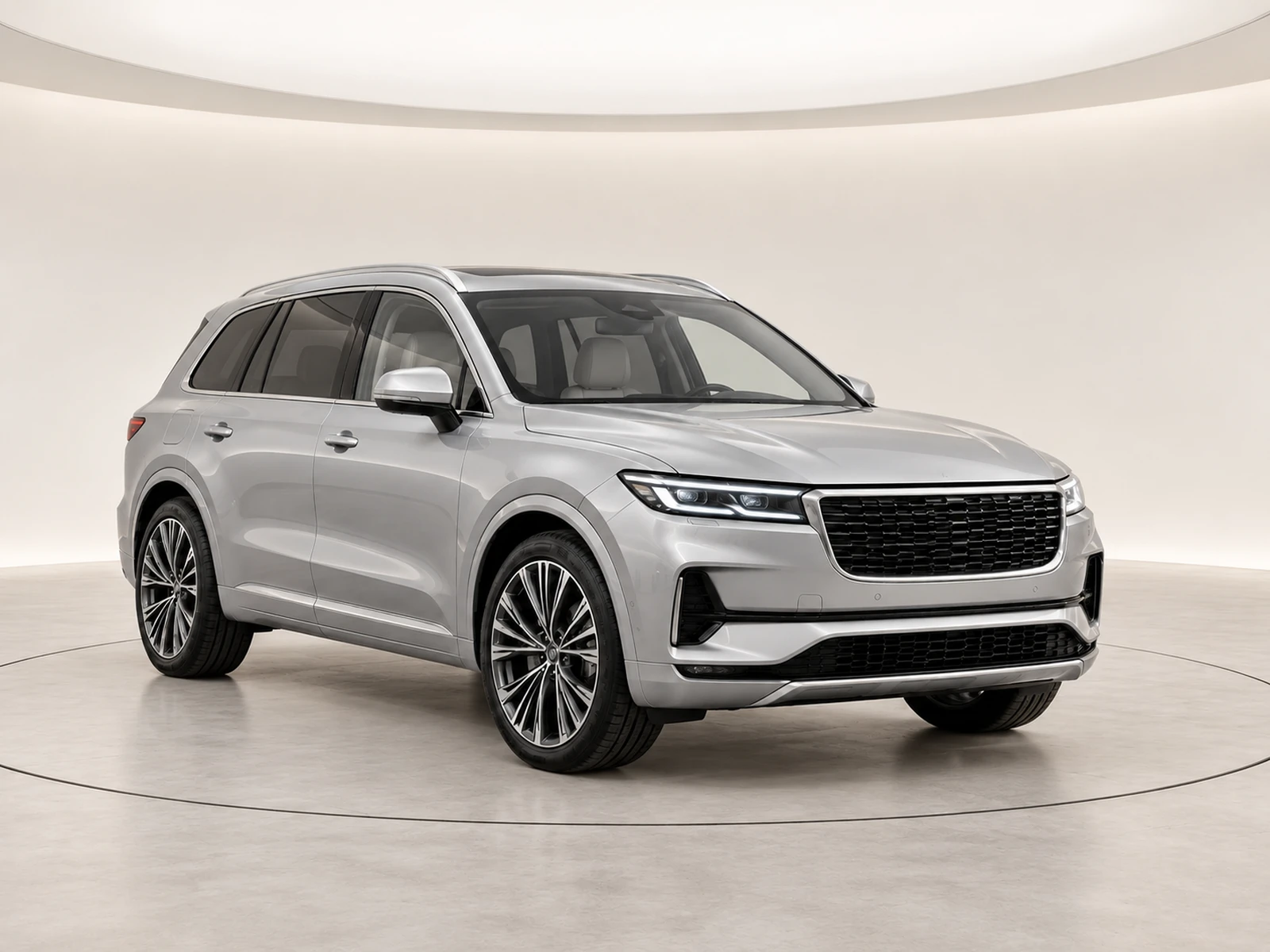
A repair request should identify a concrete problem while keeping the original vehicle as the authority. Separate source limitations from editing errors before deciding what to do next.
Classify the issue before requesting a repair
Look for whether the problem is a changed vehicle detail, an implausible shadow, a mismatched environment or an unclear source. Those are different failure modes. A new showroom will not reliably reveal equipment hidden in blur, and a sharper-looking result does not prove that equipment is accurate. Retake an unsuitable source where practical before asking the editor to interpret it again.
Keep the request tied to observable evidence
Use the original and result side by side to identify what changed. For a wheel issue, describe the visible difference rather than asking for a better wheel. For a contact issue, focus on grounding and shadow direction rather than reshaping the body. Keep the repair reason narrow enough that a later reviewer can tell whether the requested correction happened.
Review the entire repaired image
A successful local correction does not guarantee that everything else stayed unchanged. Recheck the vehicle identity, body proportions, paint, trim and visible condition, then inspect the scene again. Open the full-size output rather than judging only the repaired area in a thumbnail. A repair is another result to approve, not automatic permission to publish.
Learn from repeated failures
Keep the repair reason and outcome with the project. If a particular angle or capture condition fails repeatedly, adjust the photography guidance or background choice. Track the original problem rather than starting new projects without a record. A predictable capture change may reduce review effort more effectively than repeated generation of the same difficult source.
Your dealer checklist.
- Separate source quality from editing failure.
- Use a specific, observable repair reason.
- Keep the original vehicle as the reference.
- Recheck the entire repaired output.
- Use repeat failures to improve capture guidance.
Common questions.
Does a repair need another review?
Yes. Confirm the requested correction and inspect all critical vehicle details again before approving the result.
What if the source cannot show the disputed detail?
Retake or inspect the vehicle. Do not use a plausible generated reconstruction as proof of equipment or condition.
Put the next vehicle in a better setting.
Explore MotorBackdrop’s showrooms, prepare one sample and review your vehicle’s details before finishing the set.
Explore your next photo shoot ↗