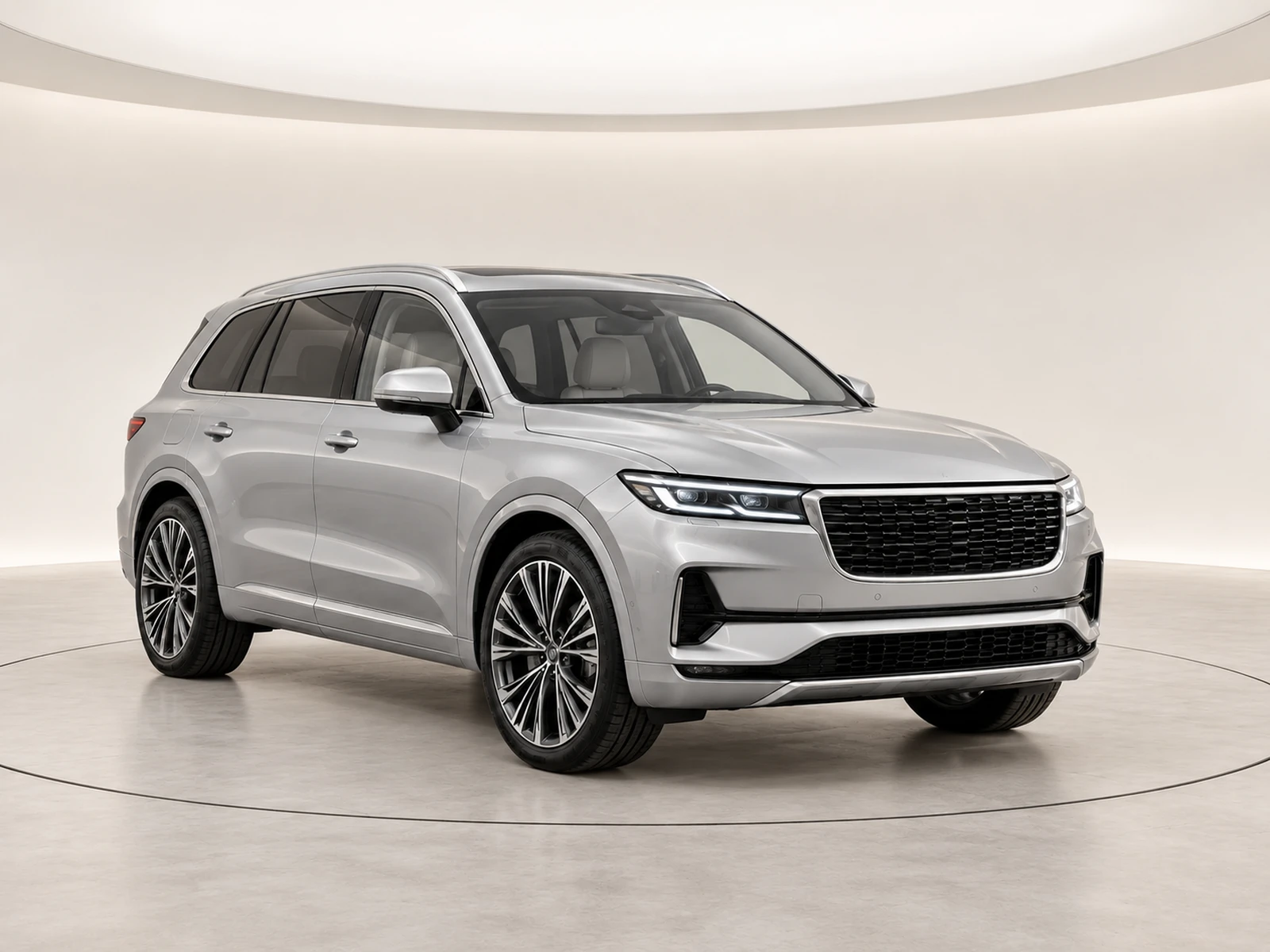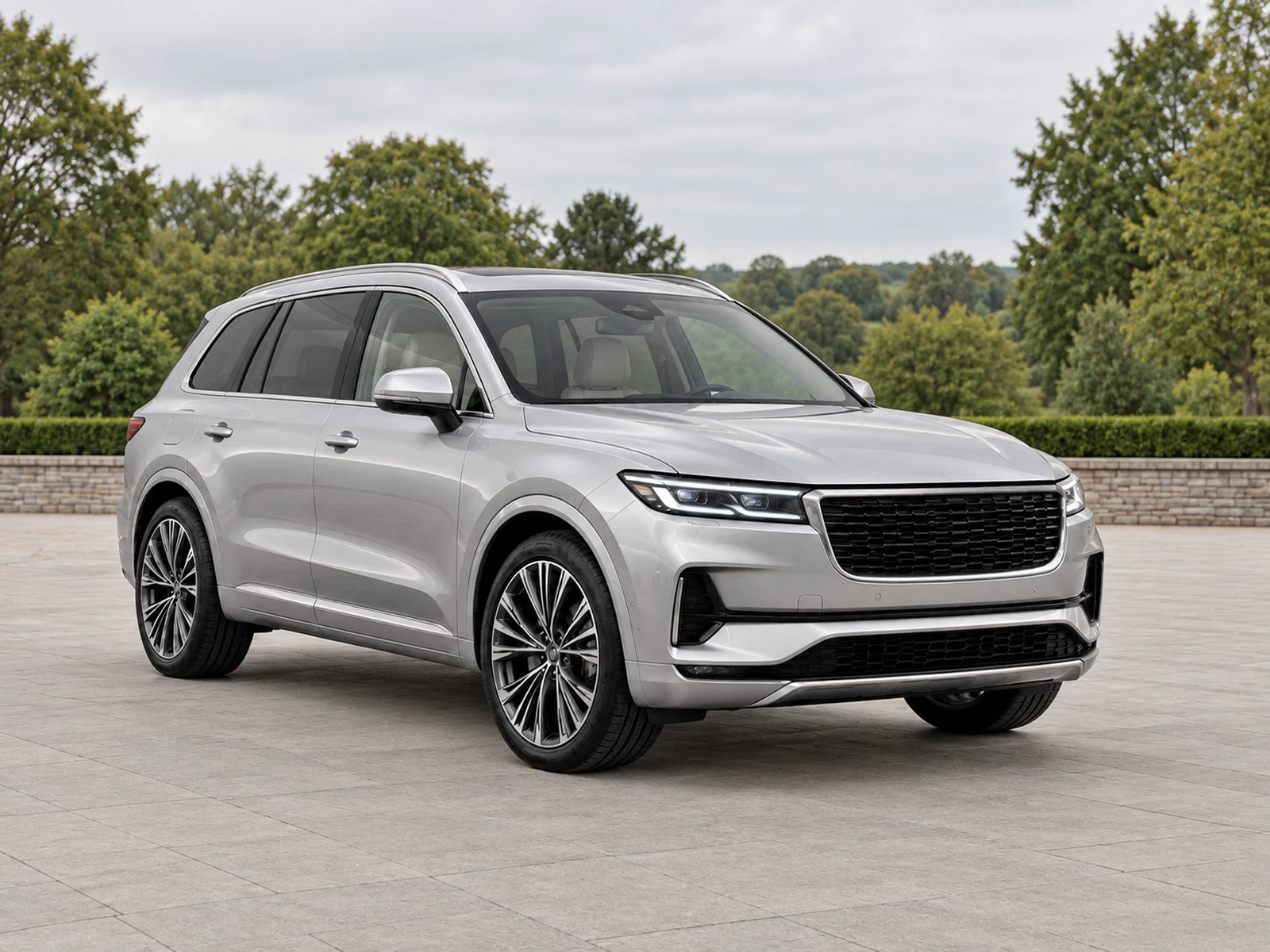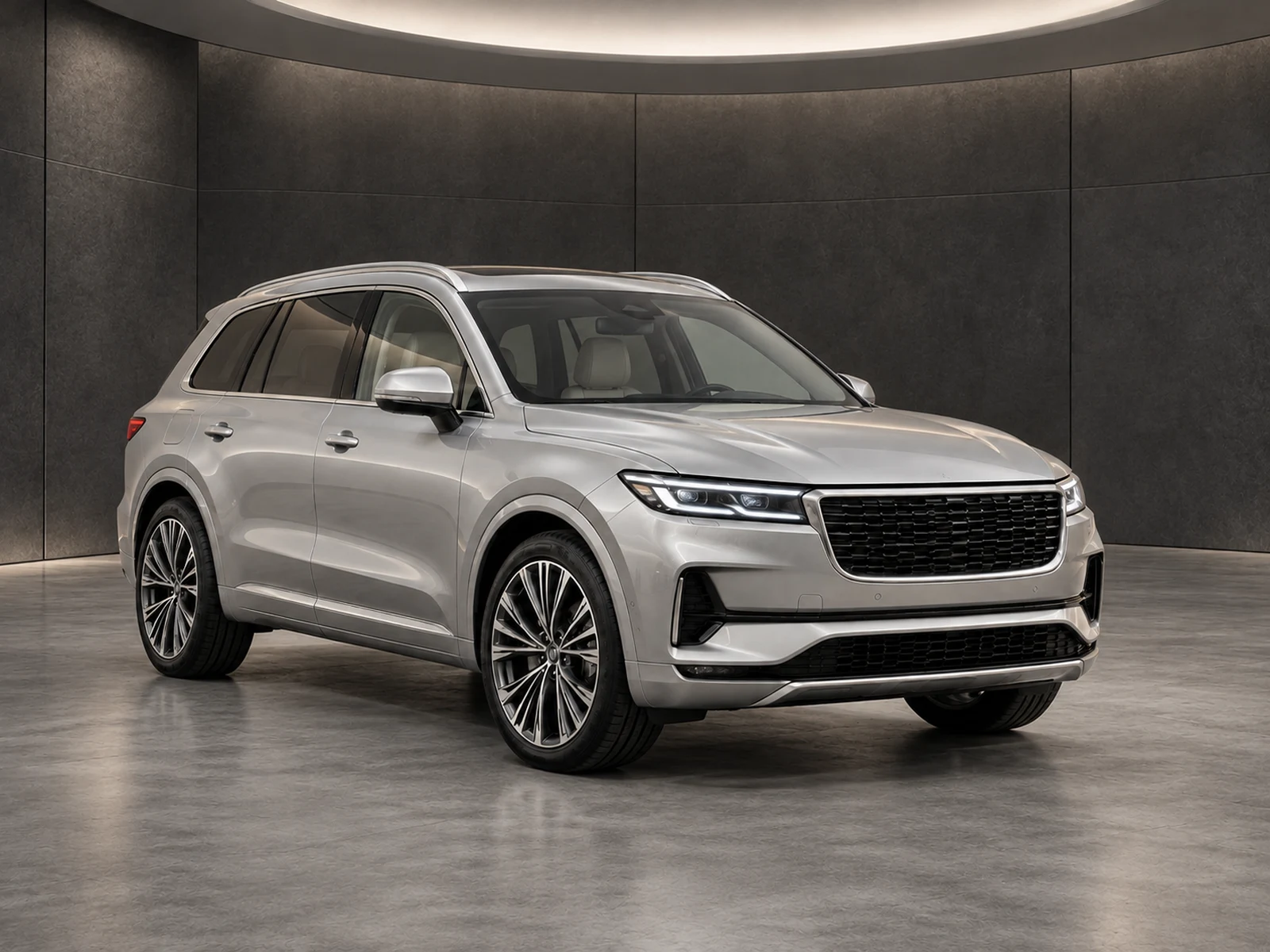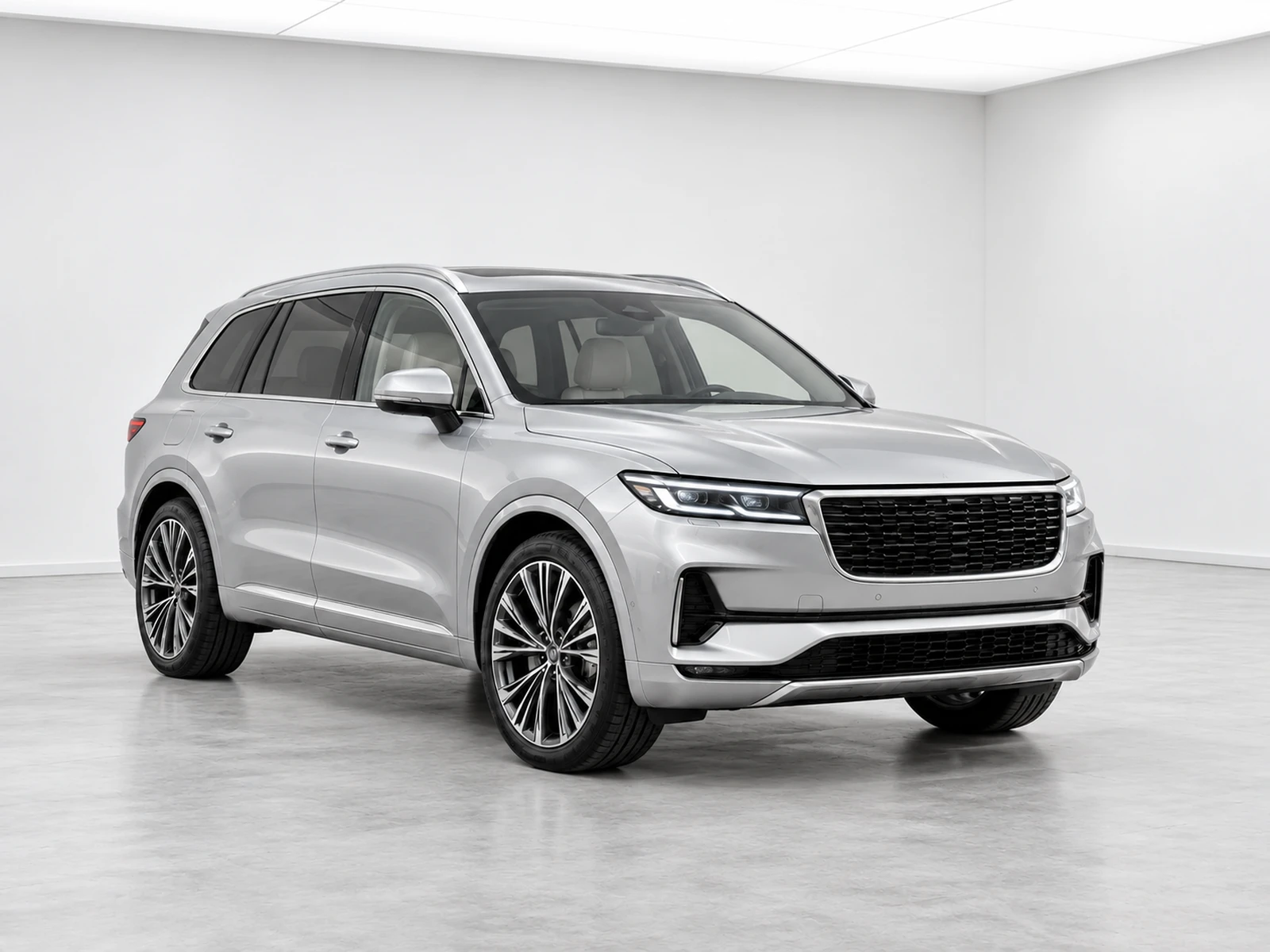
Edited vehicle photos should present the stock you actually have. Define which details must remain unchanged and make those details part of every review, regardless of the background or brand style.
Identify the details buyers use to compare stock
Write down the visible equipment that matters for your inventory: wheels, lighting, roof rails, mirrors, grilles, trim and body configuration. Add the features that distinguish similar derivatives in your stock list. The reviewer does not need to infer a complete specification from a photograph, but should recognise when editing has changed something the source clearly showed.
Treat visible condition as evidence
Scratches, dents, upholstery wear and wheel marks should not disappear just because a cleaner setting has been added. Keep the original available and inspect condition areas at the final image size. If a defect is difficult to read in one angle, capture a separate explanatory detail photograph. A consistent showroom is useful presentation; it is not a reason to soften relevant condition evidence.
Watch geometry and handedness
Compare the relationship between wheels, body panels, glass and trim. Check that the vehicle has not been mirrored or rotated into a viewpoint your source did not provide. Notice steering-wheel position where it is visible, especially for dealers handling imports or both right- and left-hand-drive vehicles. A plausible car is not necessarily the same car that was photographed.
Make the reviewer accountable for release
Choose an approver who can access the stock record and original image. Give them time to inspect the result outside the smallest thumbnail. Reject or repair changes before export, then retain the review history with the project. When the photo reaches a website, check the destination crop again so equipment and condition have not become invisible through presentation alone.
Your dealer checklist.
- List specification details that must remain unchanged.
- Check visible wear against the original.
- Inspect handedness and body geometry.
- Use a reviewer who can access the stock record.
- Recheck the final crop after publishing.
Common questions.
Can AI editing certify the vehicle’s specification?
No. Use your actual stock information and physical inspection for specification. Photographs should remain consistent with that information.
Should every background replacement be rejected if lighting changes?
Lighting can change as part of photographic presentation. The test is whether material vehicle details, colour and visible condition remain accurately represented.
Put the next vehicle in a better setting.
Explore MotorBackdrop’s showrooms, prepare one sample and review your vehicle’s details before finishing the set.
Explore your next photo shoot ↗