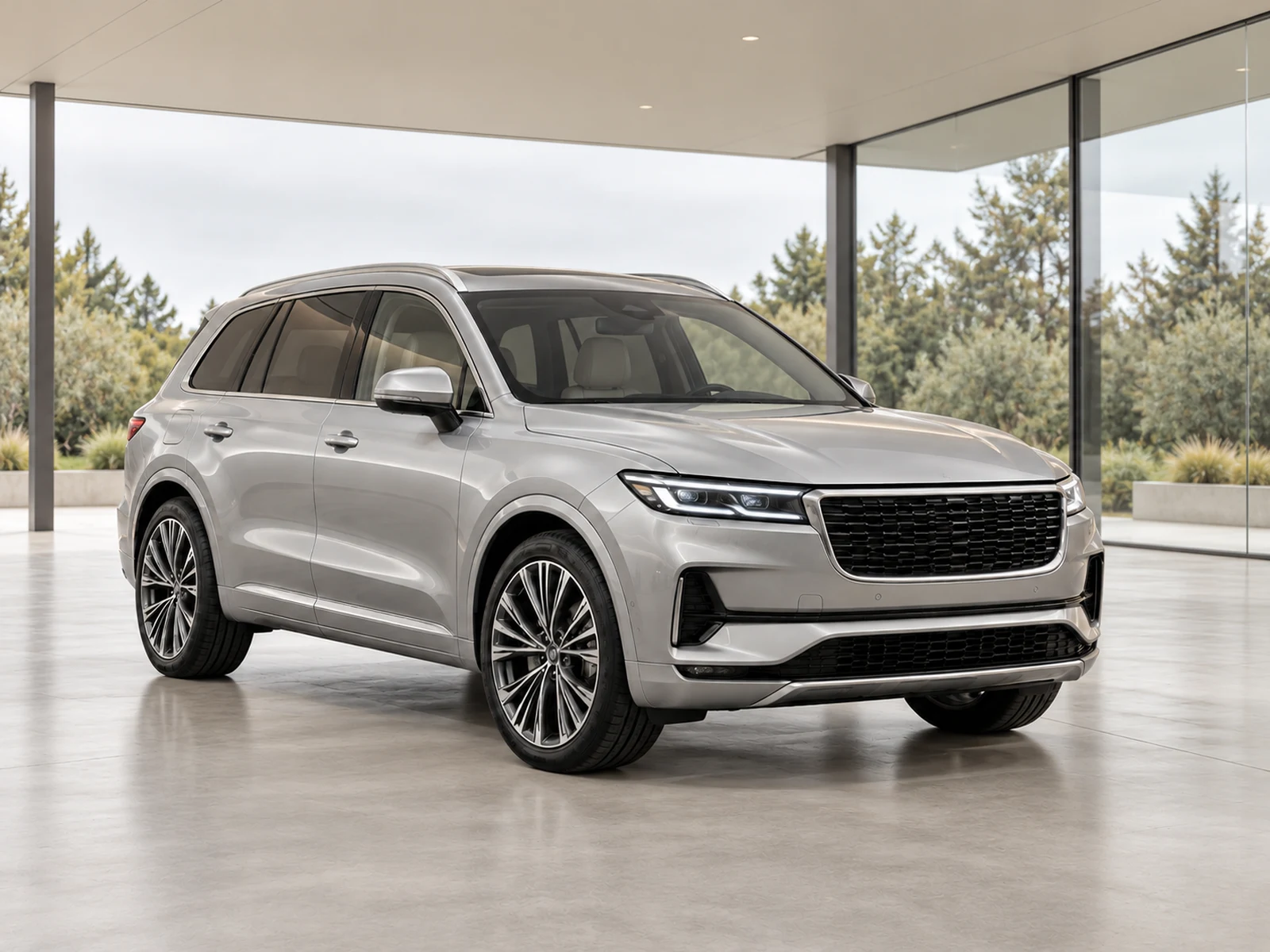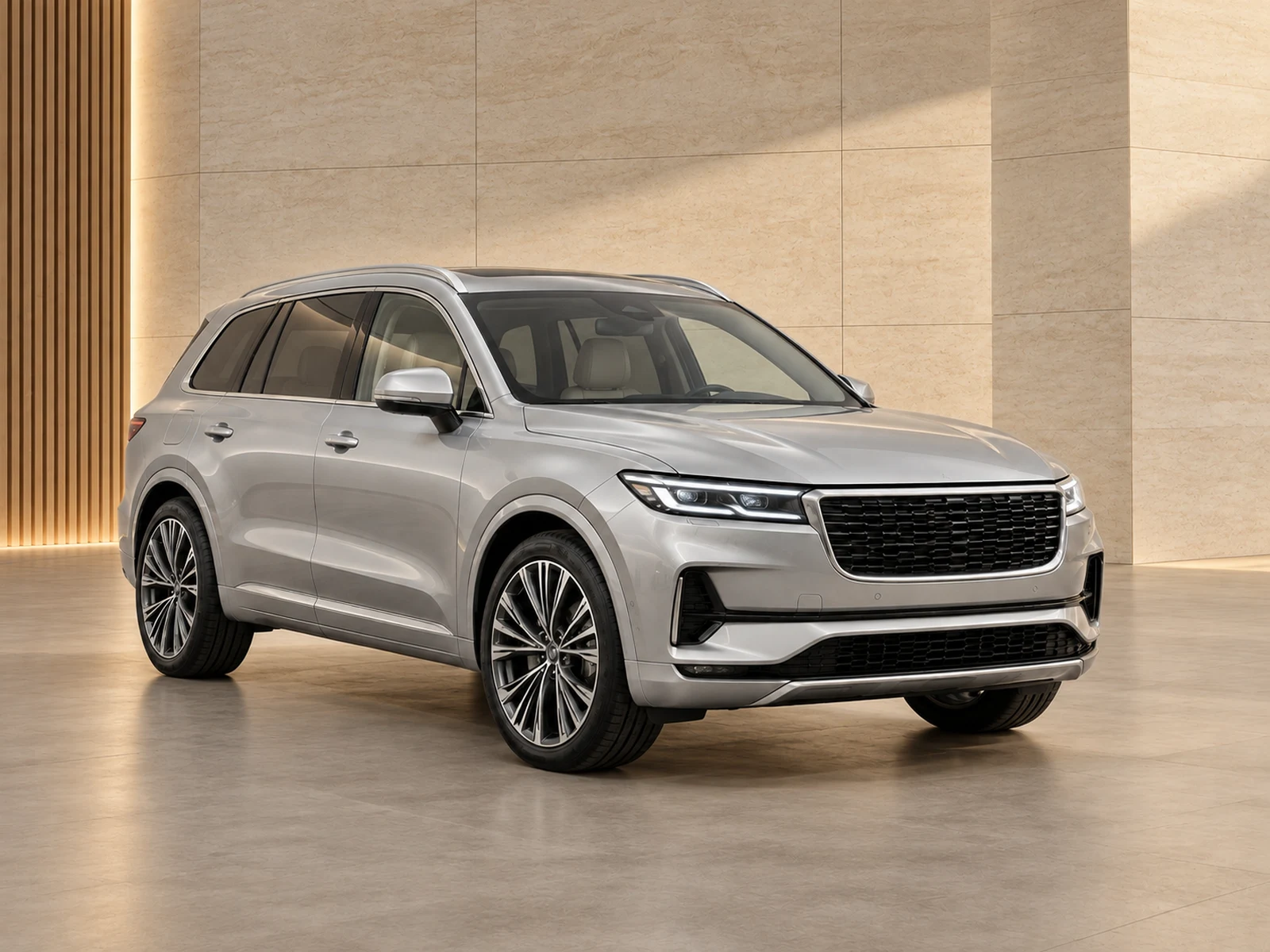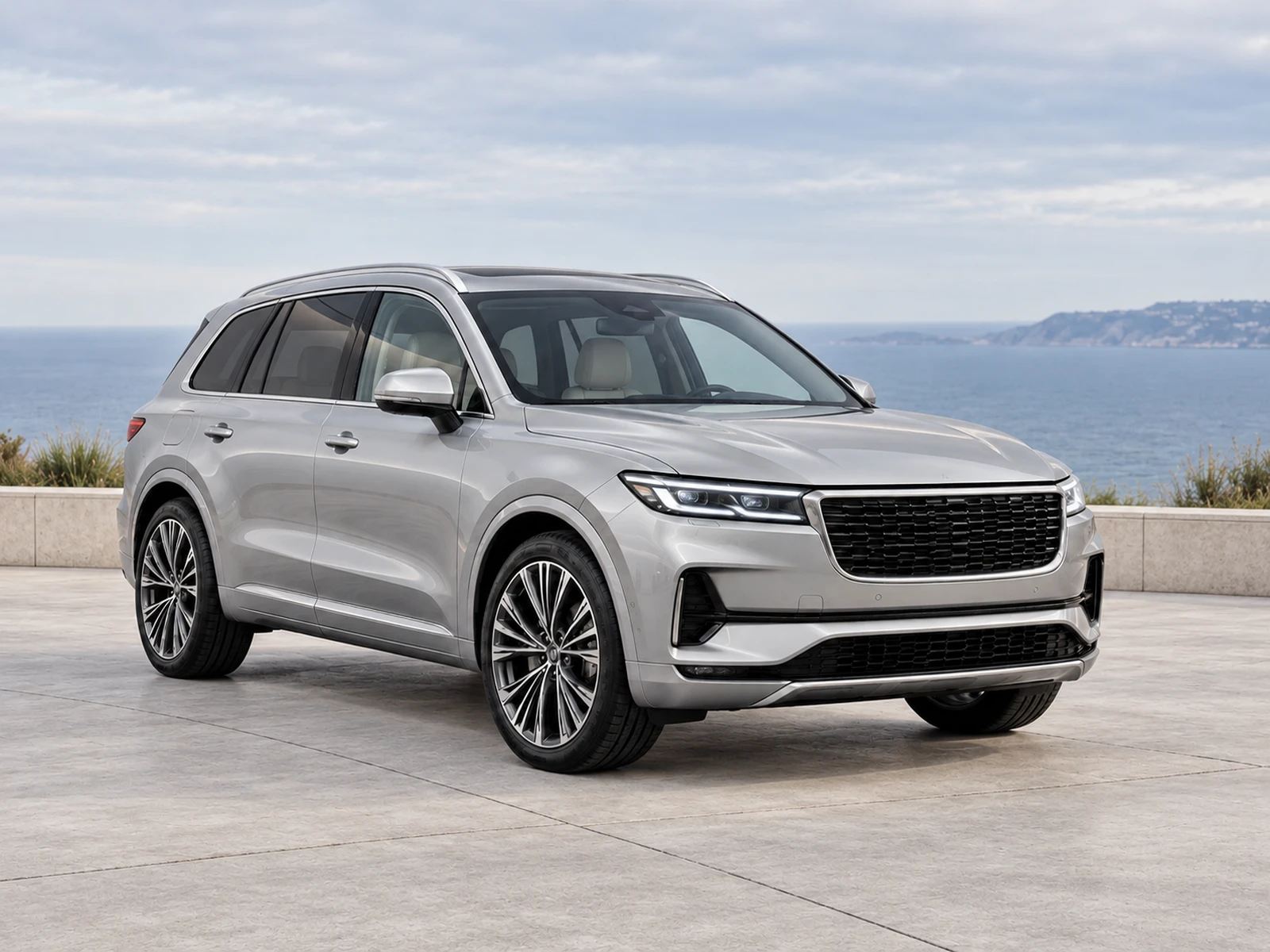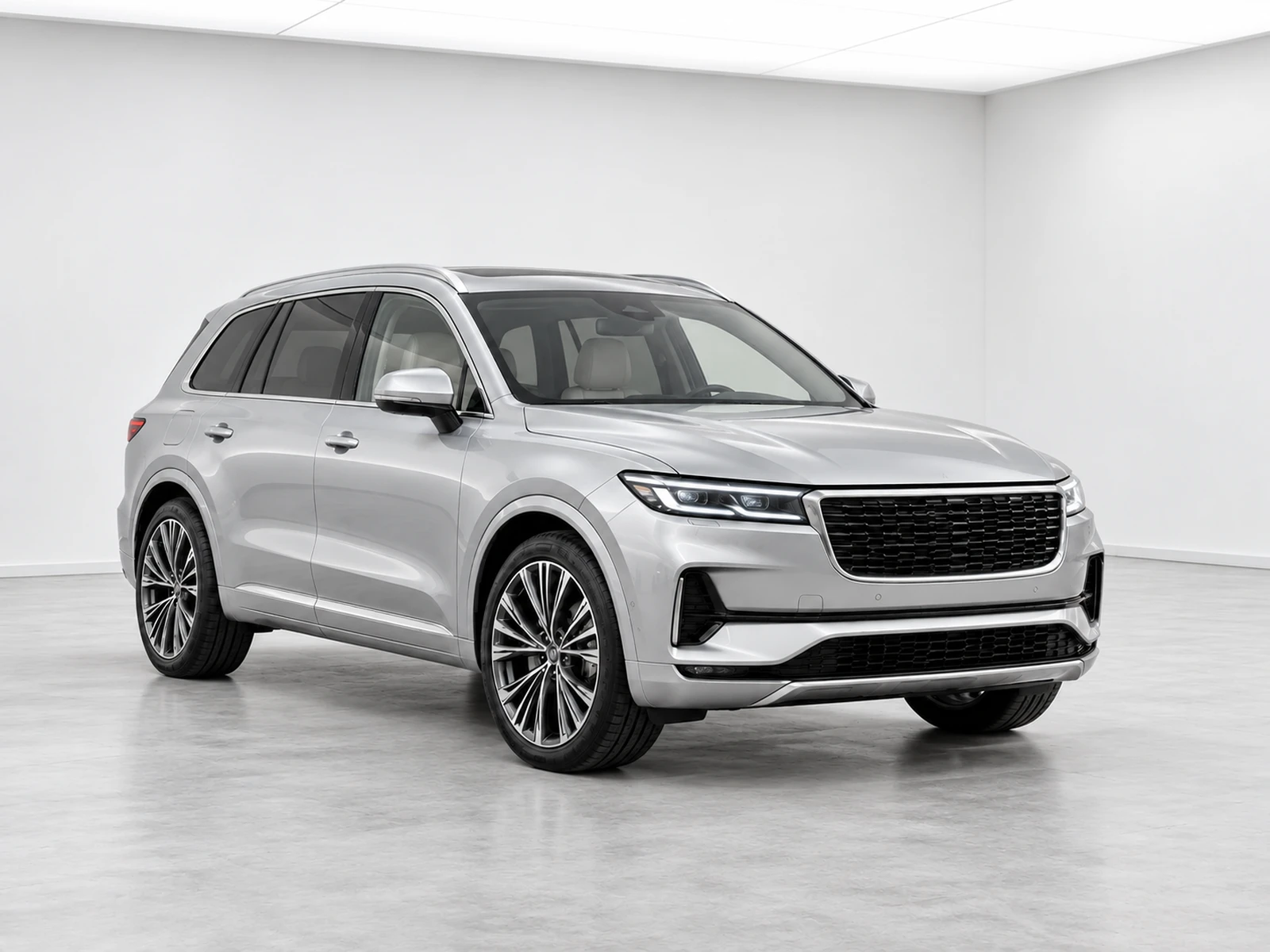
Pale paint can lose panel shape when bright reflections overwhelm the source. Control exposure during capture so later editing has real information to preserve.
Read the brightest body panels
Look at the bonnet, roof and upper doors in the saved photograph. When a large patch becomes featureless white, a subtle panel line or paint difference may no longer be visible. Move into more even light or reduce exposure enough to retain the surface. Check the result on the file itself; a bright outdoor phone screen can make an overexposed capture look acceptable.
Avoid making the background the exposure target
A dark fence behind a white car can cause an automatic camera to favour the surroundings. Tap or meter on the vehicle where your phone allows it, then review the whole frame. The objective is not a perfectly bright fence. It is a readable vehicle with enough surrounding information for a believable scene and a useful accuracy comparison.
Use floor and wall contrast deliberately
A pale showroom can work when the vehicle’s edges remain distinct. If white paint and a white wall merge, try a softly contrasting floor or mid-tone environment. Avoid solving separation by adding dramatic colour casts. For silver cars, inspect whether neutral metallic reflections still look silver rather than taking on the room’s strongest colour.
Compare surface detail before approval
Check bumper edges, door creases, wheel finishes and visible marks against the original. A smooth-looking edit can hide the loss of a faint but relevant detail. Inspect both the lead image and the tighter views. If your source lacks information in a highlight, retake under softer light instead of treating an invented edge as evidence of the vehicle’s condition.
Your dealer checklist.
- Inspect bright paint in the saved file.
- Expose for readable vehicle surfaces.
- Use neutral contrast for edge separation.
- Check silver paint for colour casts.
- Retake highlight-clipped condition details.
Common questions.
Can an editor recover a completely white highlight?
Not as reliable original evidence. If the source no longer records the detail, a retake is the better option.
Should white cars always use a dark room?
No. The useful test is readable body shape and faithful paint colour. A bright room can work with controlled lighting and sufficient edge contrast.
Put the next vehicle in a better setting.
Explore MotorBackdrop’s showrooms, prepare one sample and review your vehicle’s details before finishing the set.
Explore your next photo shoot ↗