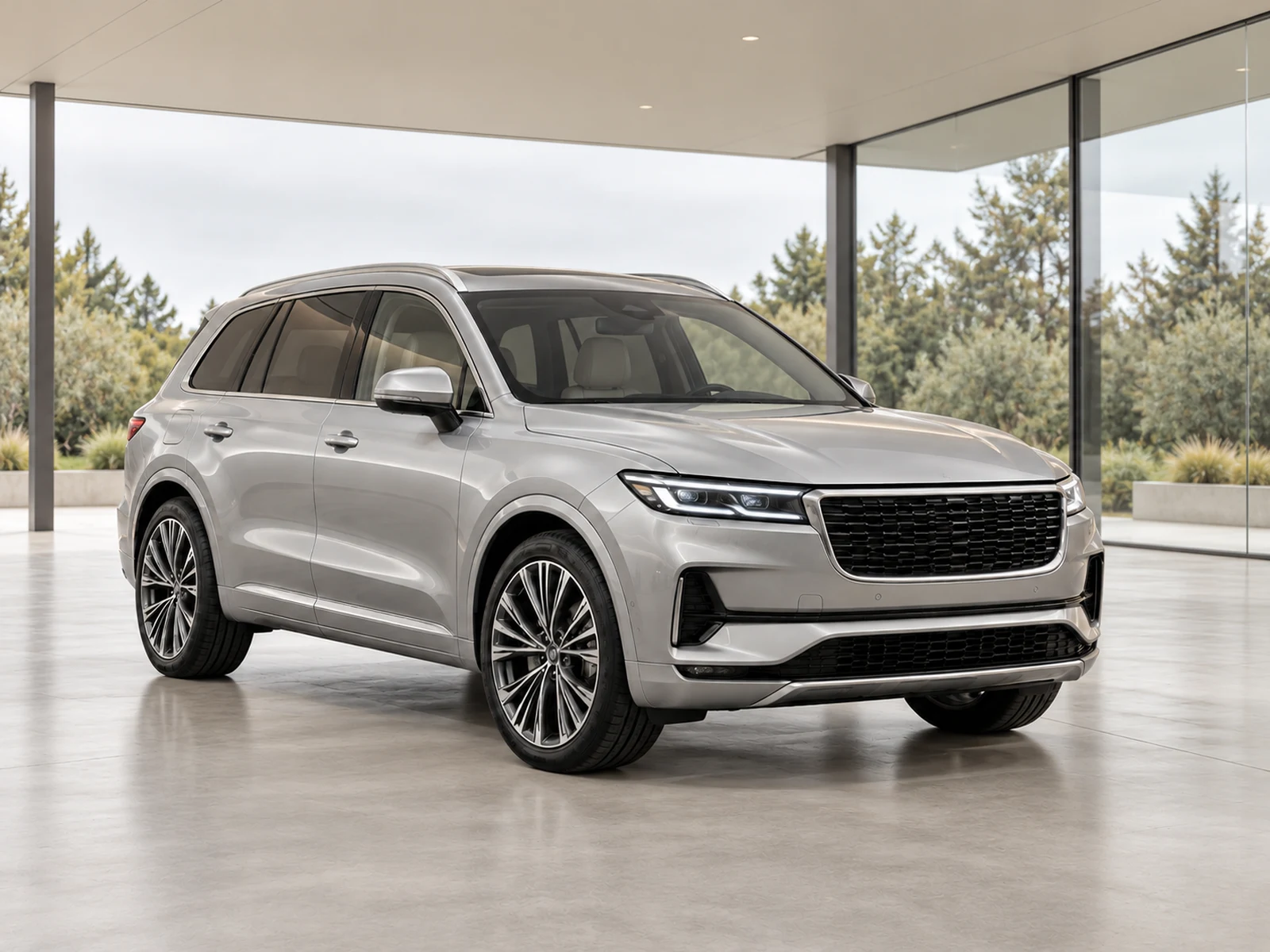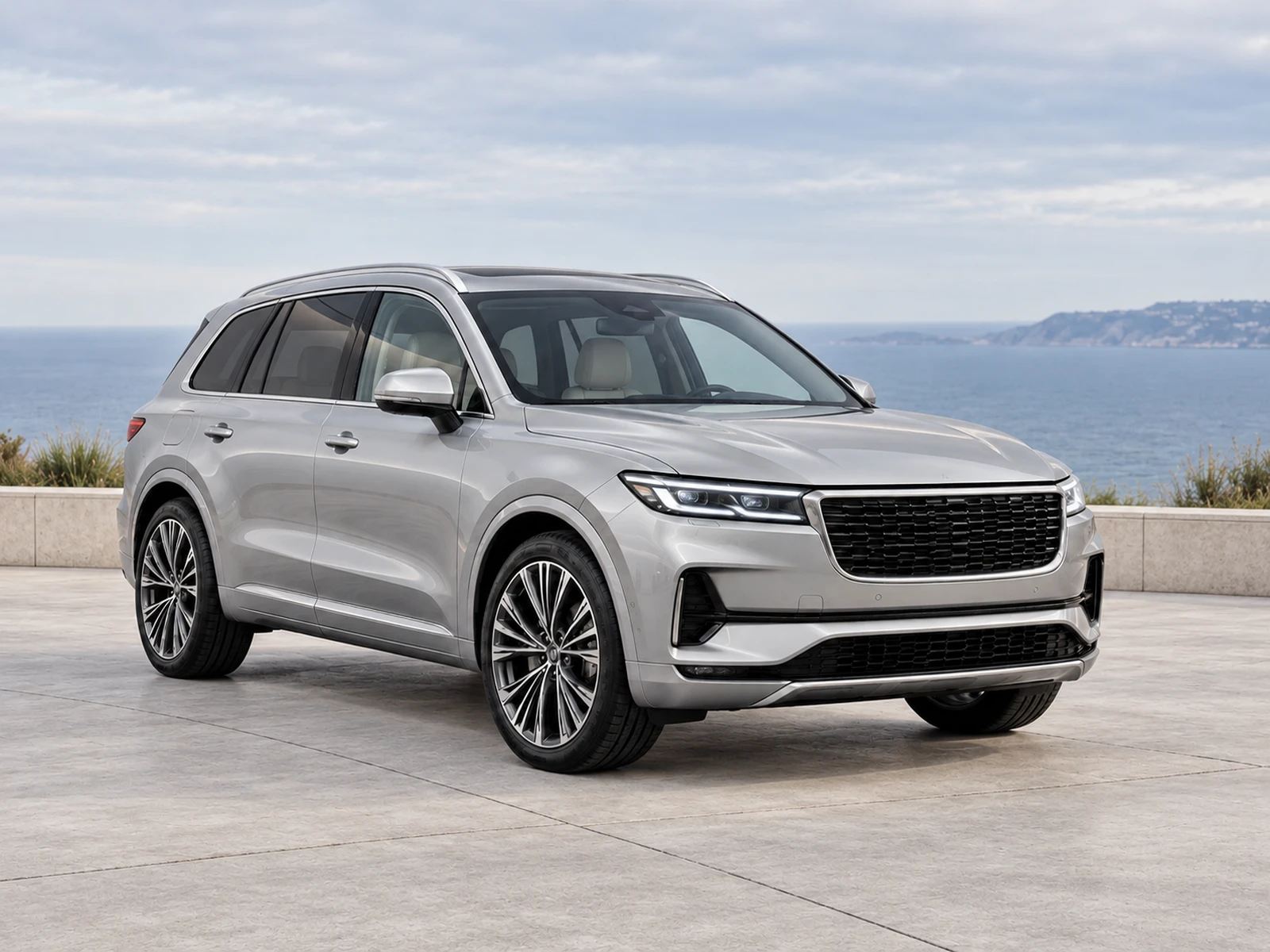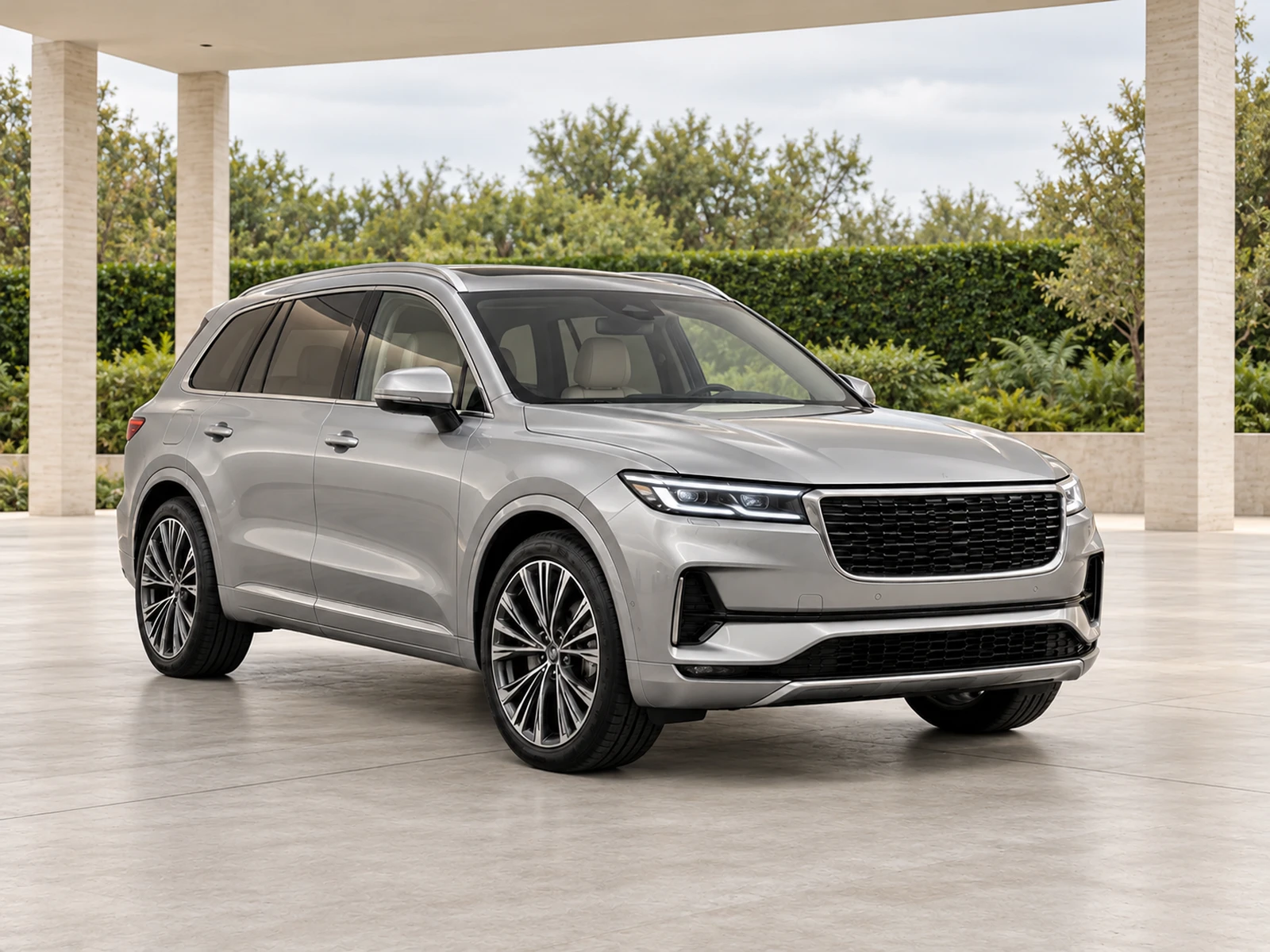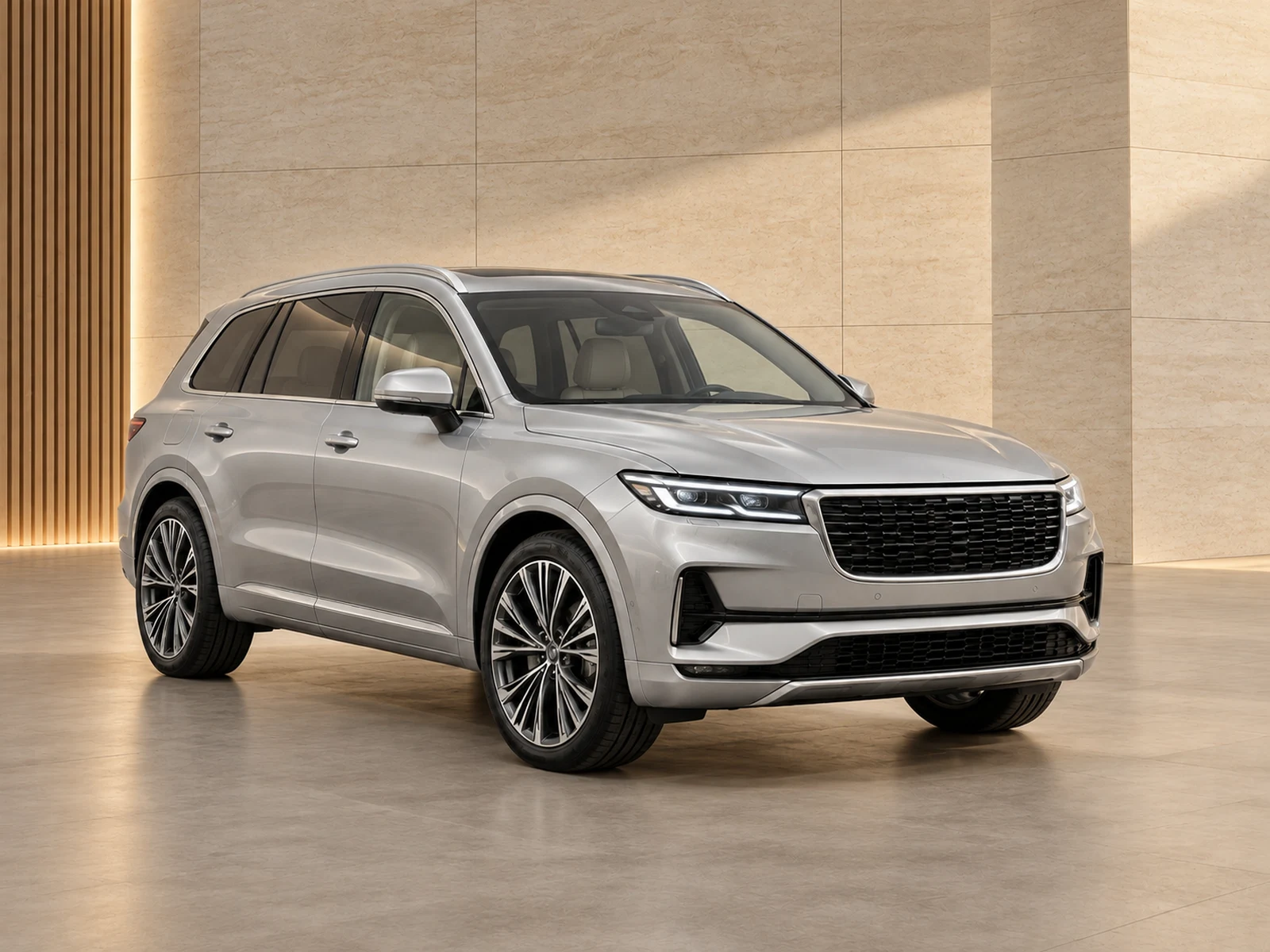
A useful detail photograph answers a specific question about the stock. Choose those questions before shooting, then make each close-up readable and connected to the wider vehicle set.
Build the list from actual buyer questions
Start with recurring questions handled by the sales team: seating layout, load area, relevant controls, wheel appearance or equipment details. Add the condition areas that need clear evidence. Do not fill the gallery with near-identical close-ups simply to increase the photo count. Each image should help a buyer understand something that the overall view does not show clearly.
Include enough context
A tightly cropped switch or trim piece may be difficult to identify without a surrounding dashboard or door reference. Capture the feature clearly while leaving enough context to establish its location. Use a second close view where small detail genuinely needs it. Keep the source stock reference attached to the image, especially when similar equipment appears across several vehicles.
Keep condition evidence straightforward
Photograph a mark or worn area with neutral light and a useful angle. Show where it sits before adding a tighter view if necessary. Avoid editing that smooths the surface or changes the apparent finish. The objective is to explain the actual vehicle, not to create an attractive texture that no longer records the condition the photographer saw.
Apply restrained processing and review
Choose Detail for close-ups and compare the result with the original before download. Inspect small text, symbols, stitching, spokes or surface edges at the size they will be published. Retake unreadable details where possible instead of relying on generated reconstruction. Finish by checking that the final sequence still tells a coherent story from exterior identity through cabin and equipment.
Your dealer checklist.
- Give every detail image a buyer question to answer.
- Keep enough context to identify the feature.
- Show condition clearly in neutral light.
- Use Detail handling for close-ups.
- Remove redundant images from the final publishing selection.
Common questions.
Is a larger photo count always better?
No. A complete, readable set is more useful than many repetitive or unclear images. Prioritise the questions each photograph answers.
Can small text be safely recreated during editing?
Do not treat recreated text as equipment evidence. Capture readable original text or use verified stock information to explain the feature.
Put the next vehicle in a better setting.
Explore MotorBackdrop’s showrooms, prepare one sample and review your vehicle’s details before finishing the set.
Explore your next photo shoot ↗