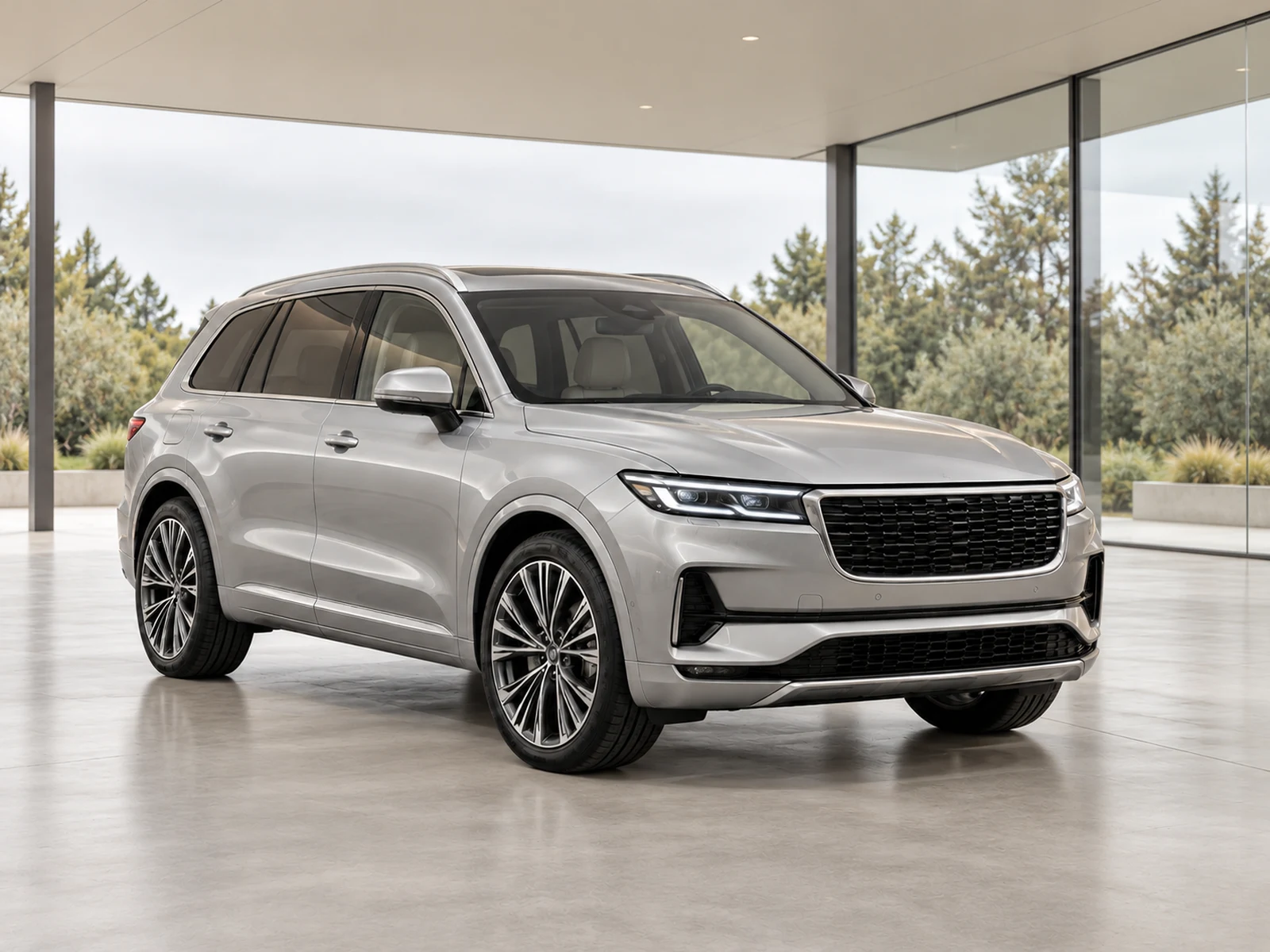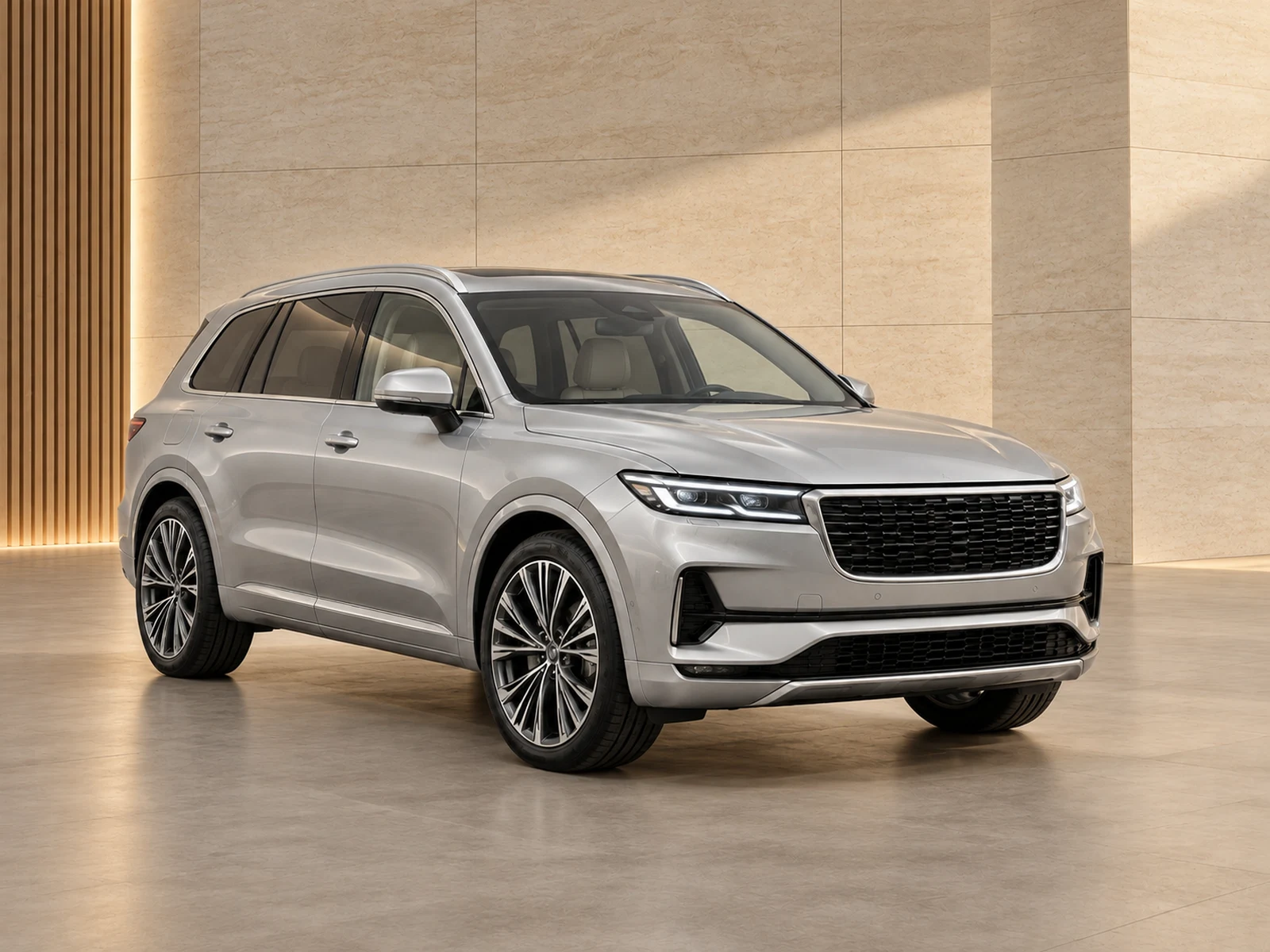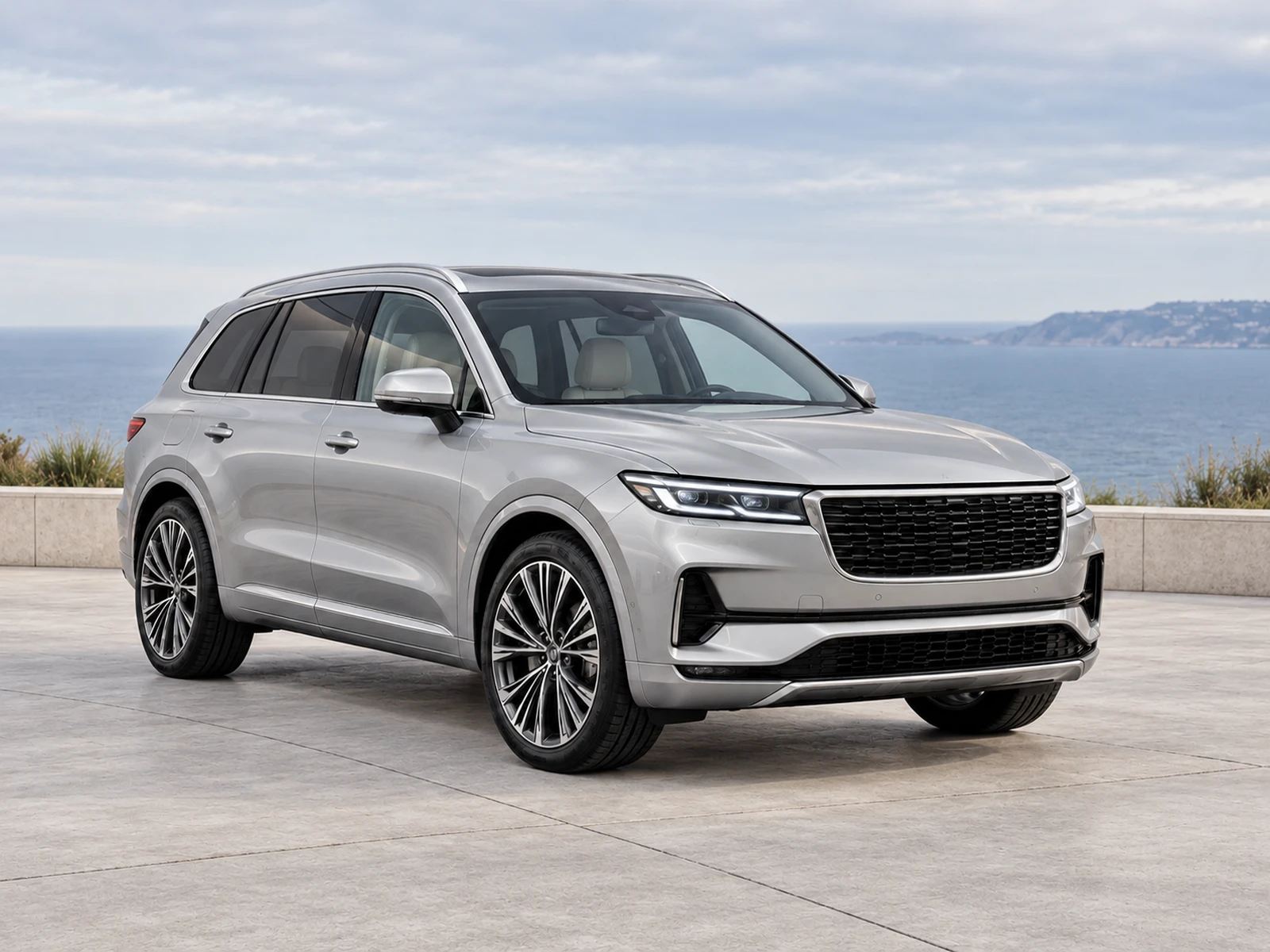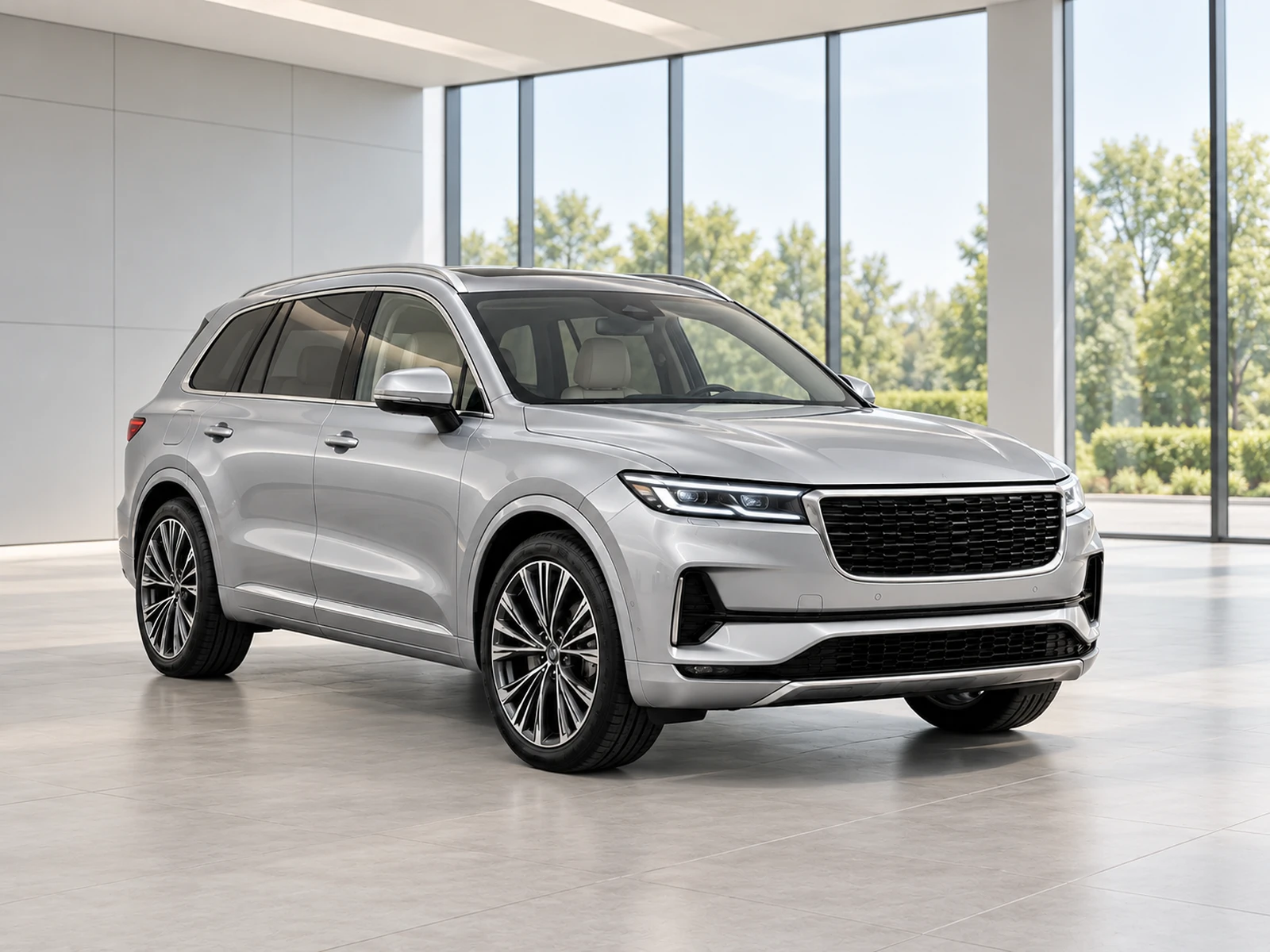
A useful exterior set lets a buyer understand the whole vehicle without guessing what sits outside the frame. A written sequence makes missing views easier to catch before the car leaves the photo bay.
Start with identity and overall shape
Take a clear front three-quarter view, then front, opposite three-quarter and both side profiles. Keep the vehicle comfortably inside the frame, including mirrors and roof equipment. Choose a camera height that reads naturally rather than using an exaggerated low angle for every body style. Check that the lead image matches the actual derivative and appearance described in the stock record.
Give the rear equal attention
Rear views communicate body style, lighting, badges, tow equipment and access openings. Capture a rear three-quarter view and a straight rear view without letting a wall or another vehicle obscure the outline. Photograph the boot or cargo space separately where relevant. A pleasing front image does not compensate for a rear set that leaves buyers unsure about equipment or condition.
Separate features from condition evidence
Include relevant wheel, lighting, roof and accessory details, but also document visible wear clearly. Do not use an equipment close-up as a substitute for a photograph that shows a defect’s location. Keep condition evidence associated with the same stock reference. Editing should preserve visible wear, and the reviewer should compare those areas with the originals rather than relying on general impressions.
Check the sequence before processing
Scroll through the camera roll while the vehicle remains available. Look for a missing side, a clipped mirror, a person reflected prominently in glass or a second vehicle crossing the silhouette. Retake the affected frame now. Once a set is edited and downloaded, check the order again in the destination platform; filename sorting can put detail views before the main exterior photograph.
Your dealer checklist.
- Capture both sides and the complete rear.
- Leave margins around mirrors and roof equipment.
- Record features and visible condition separately.
- Check the camera roll before moving the vehicle.
- Verify the destination’s lead image and order.
Common questions.
Can I mirror one side to create the other?
No. Mirroring can misrepresent handedness, trim, damage or equipment. Photograph both sides of the actual vehicle.
Should every image show the entire car?
Overall views should show the complete photographed vehicle. Detail photographs can be tighter when they clearly show the intended feature or condition area.
Put the next vehicle in a better setting.
Explore MotorBackdrop’s showrooms, prepare one sample and review your vehicle’s details before finishing the set.
Explore your next photo shoot ↗