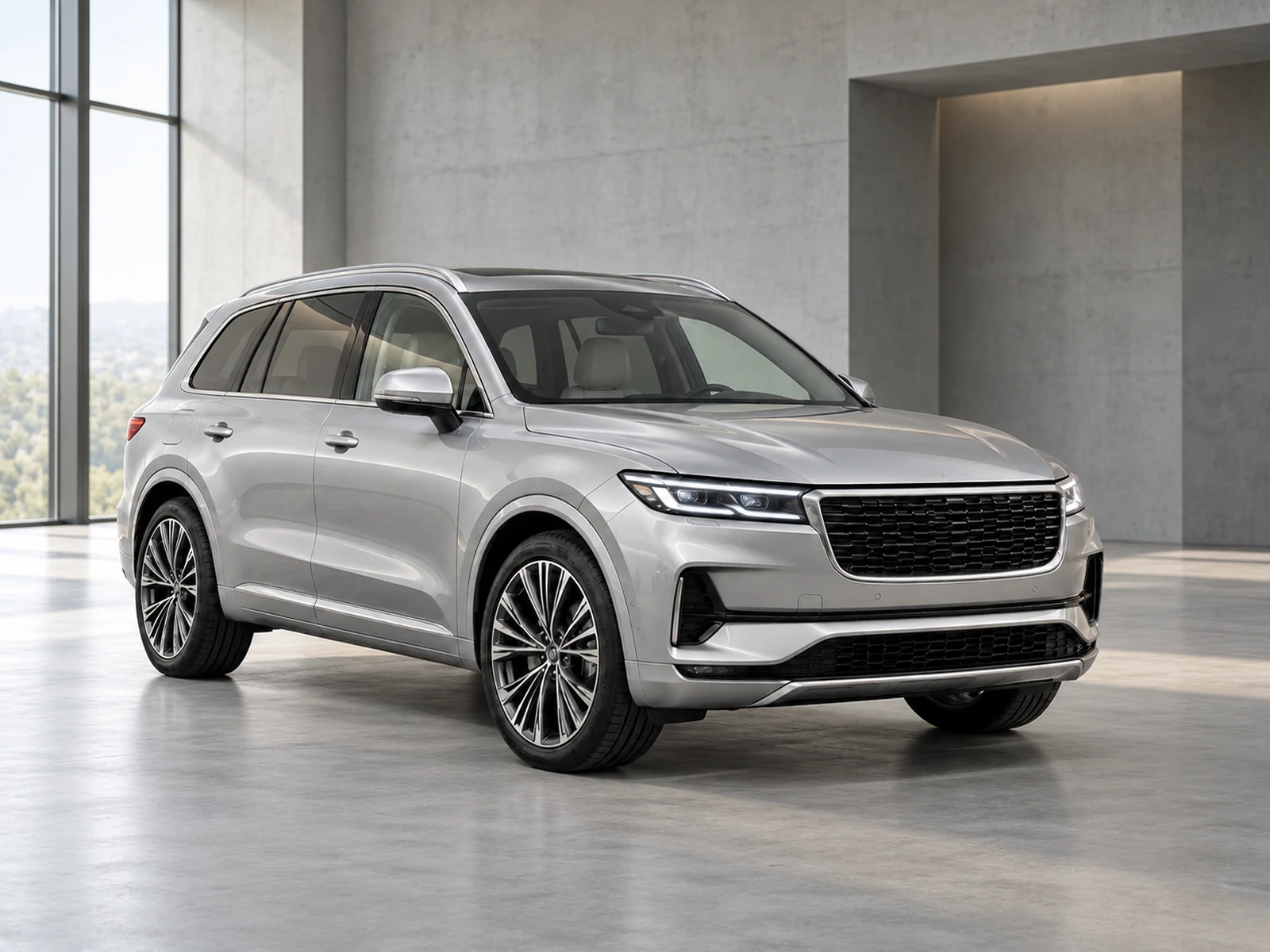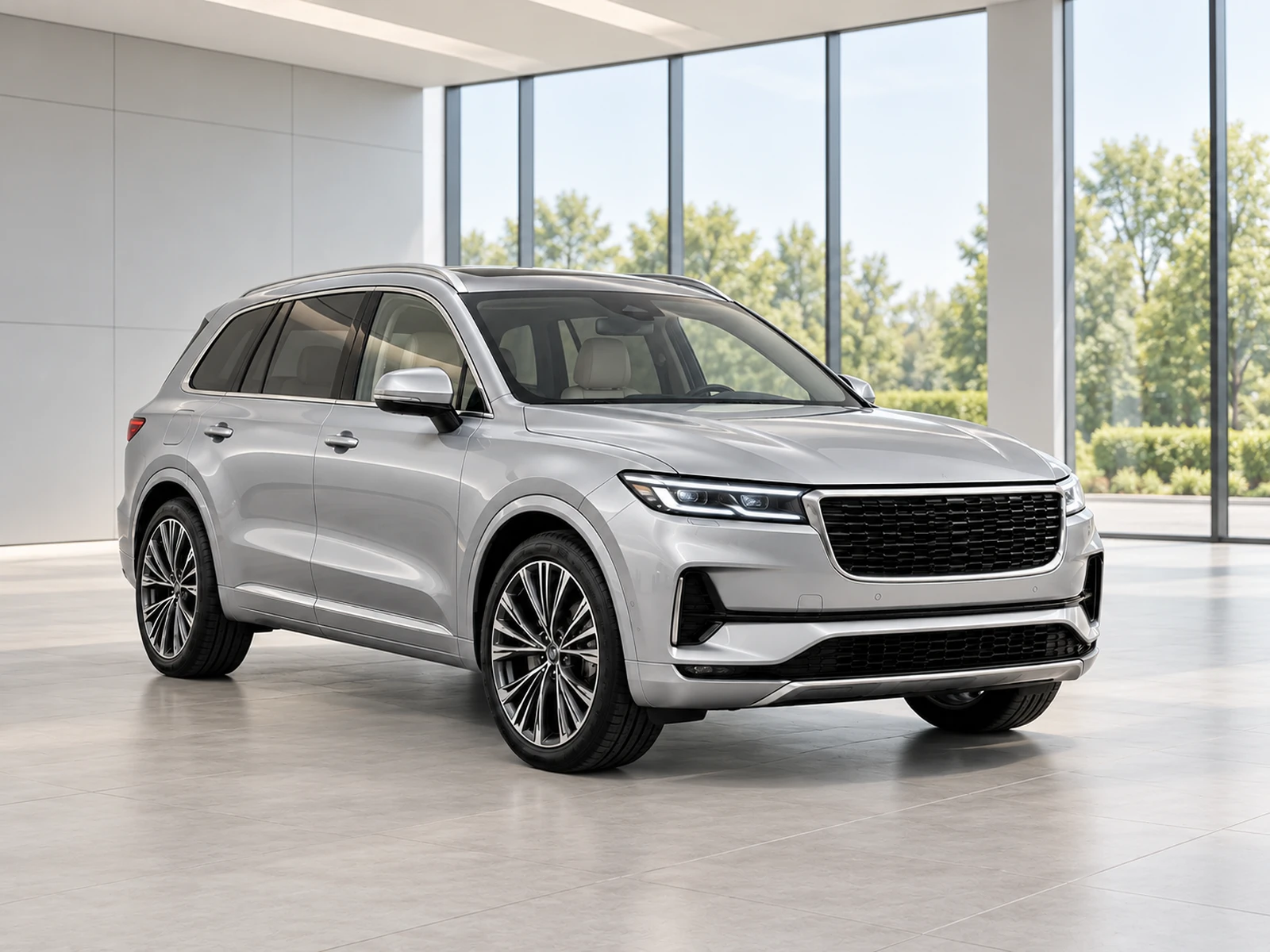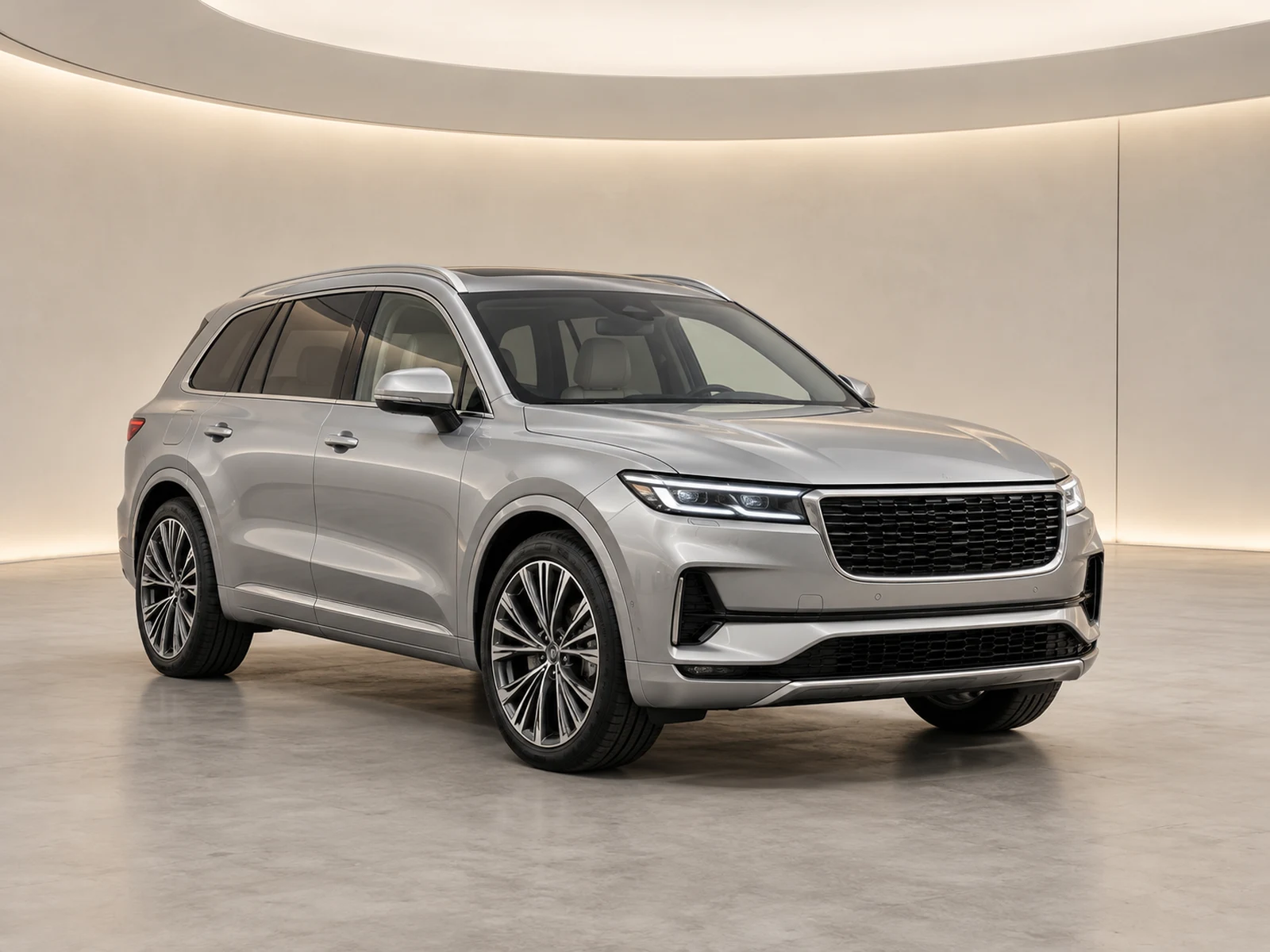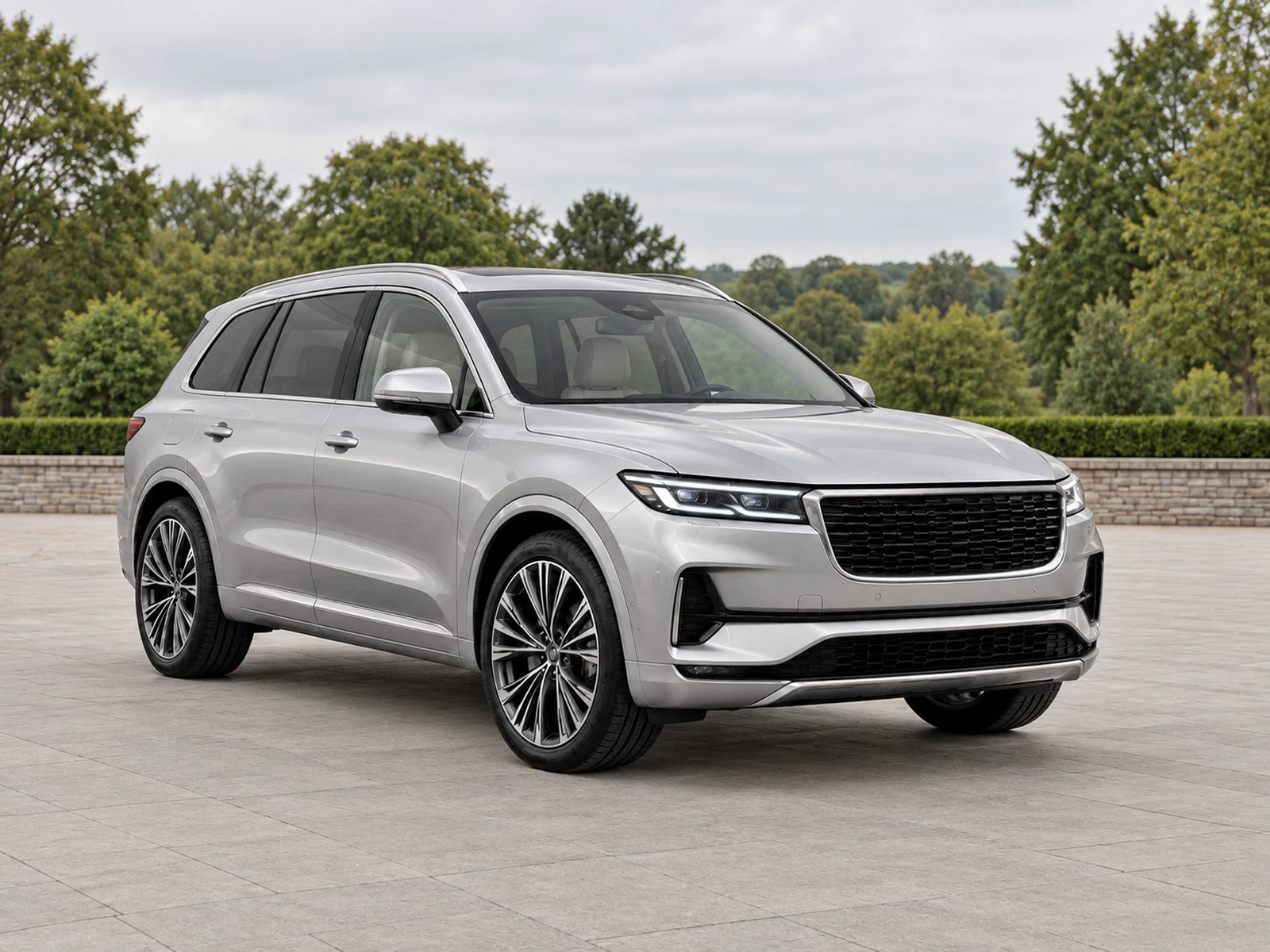
A short preparation routine can prevent an entire set of avoidable retakes. Make the vehicle ready for clear evidence before choosing a virtual showroom or editing style.
Confirm the right vehicle and reference
Match the stock reference with the physical vehicle before starting. Check distinctive equipment or body configuration when similar stock is parked nearby. Put the reference into the photo project at intake rather than attaching a loose folder later. A clean, attractive photograph of the wrong vehicle is still an unusable listing asset.
Prepare surfaces without changing condition
Clean ordinary dirt that blocks the view of paint, glass and wheels, then photograph the condition that remains. Remove temporary stock paperwork from places where it obscures equipment or dominates the frame. Keep genuine wear visible and record relevant marks with detail photographs. Preparation should make inspection easier, not turn condition evidence into a misleadingly flawless surface.
Use a simple position checklist
Straighten the vehicle safely in the bay and decide how wheels, doors and lights should be presented for your standard sequence. Keep this consistent across similar stock where practical. Check that keys, tools and personal items are not left in the cabin. Make sure any open boot or door photograph is intentional and does not replace the corresponding closed exterior view.
Do a final walk-around before the camera sequence
Look for clipped parking positions, a sign reflected across a door, another car close to a mirror and an inaccessible rear view. Correct the bay before shooting. After the sequence, check the saved files while the vehicle is still available. A preparation routine works best when the same person owns the final capture check instead of assuming editing will solve every omission.
Your dealer checklist.
- Match stock identity before capture.
- Clean surfaces while preserving relevant condition evidence.
- Remove temporary paperwork and personal items.
- Agree the standard presentation of wheels and doors.
- Review the saved set before releasing the vehicle.
Common questions.
Should damaged areas be avoided in the main set?
No. Present the vehicle clearly and include explanatory condition views where needed. Editing and framing should not hide relevant visible wear.
Does every vehicle need the same preparation time?
No. Use a consistent checklist, then allow extra work for stock with unusual equipment, access needs or condition details that require additional photographs.
Put the next vehicle in a better setting.
Explore MotorBackdrop’s showrooms, prepare one sample and review your vehicle’s details before finishing the set.
Explore your next photo shoot ↗